Sixth International Symposium on the Ocean in a High-CO₂ World
Events
Initiative
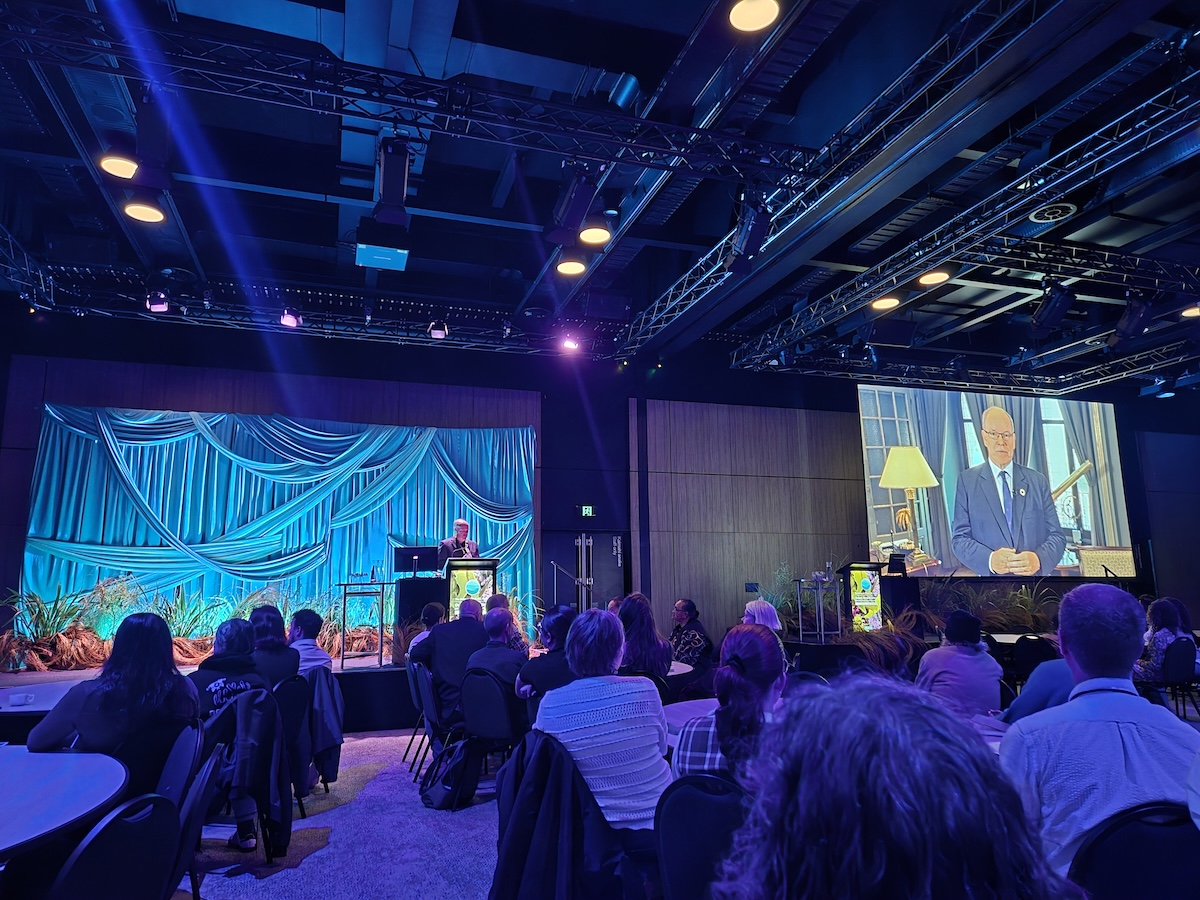
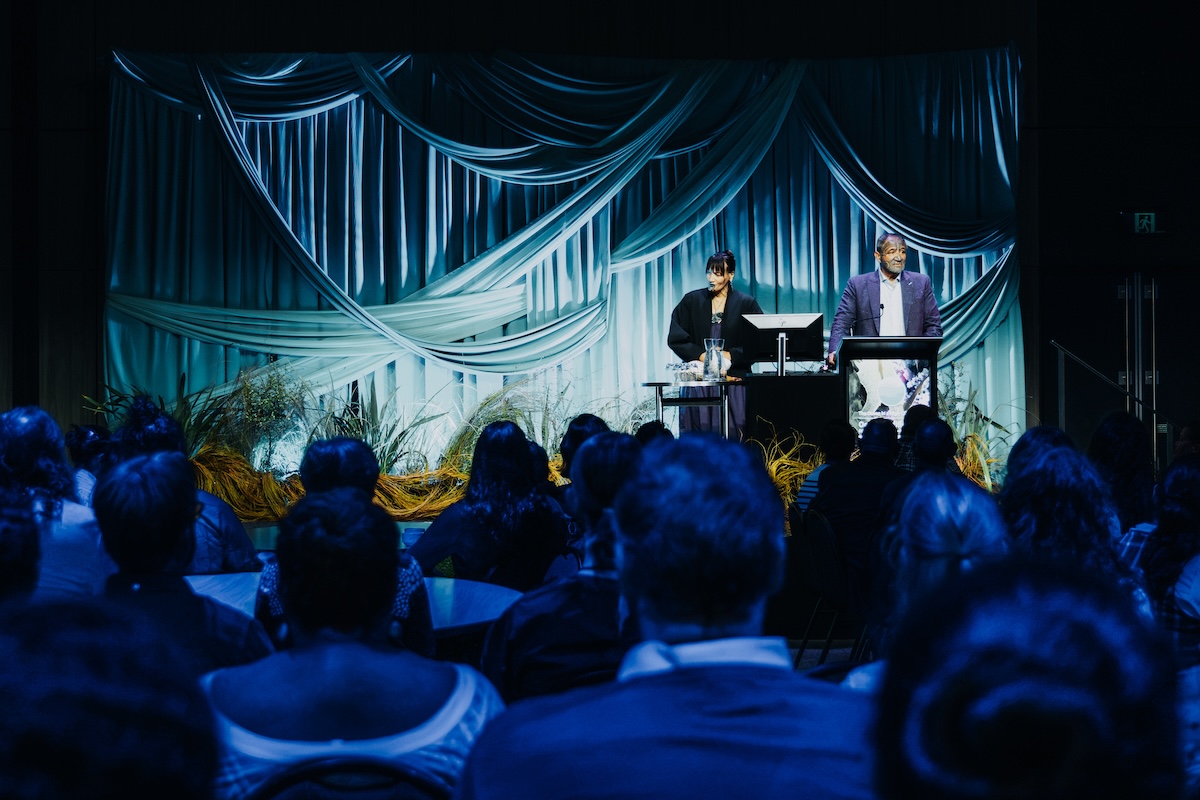
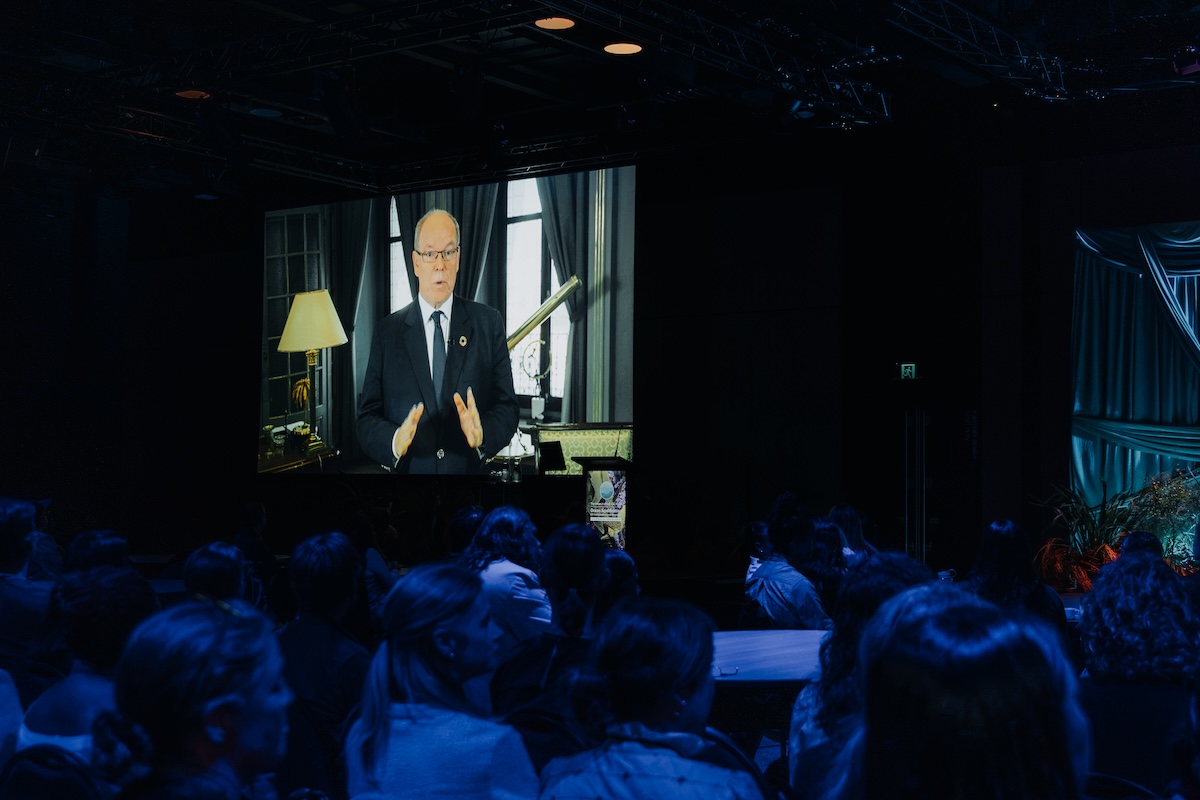
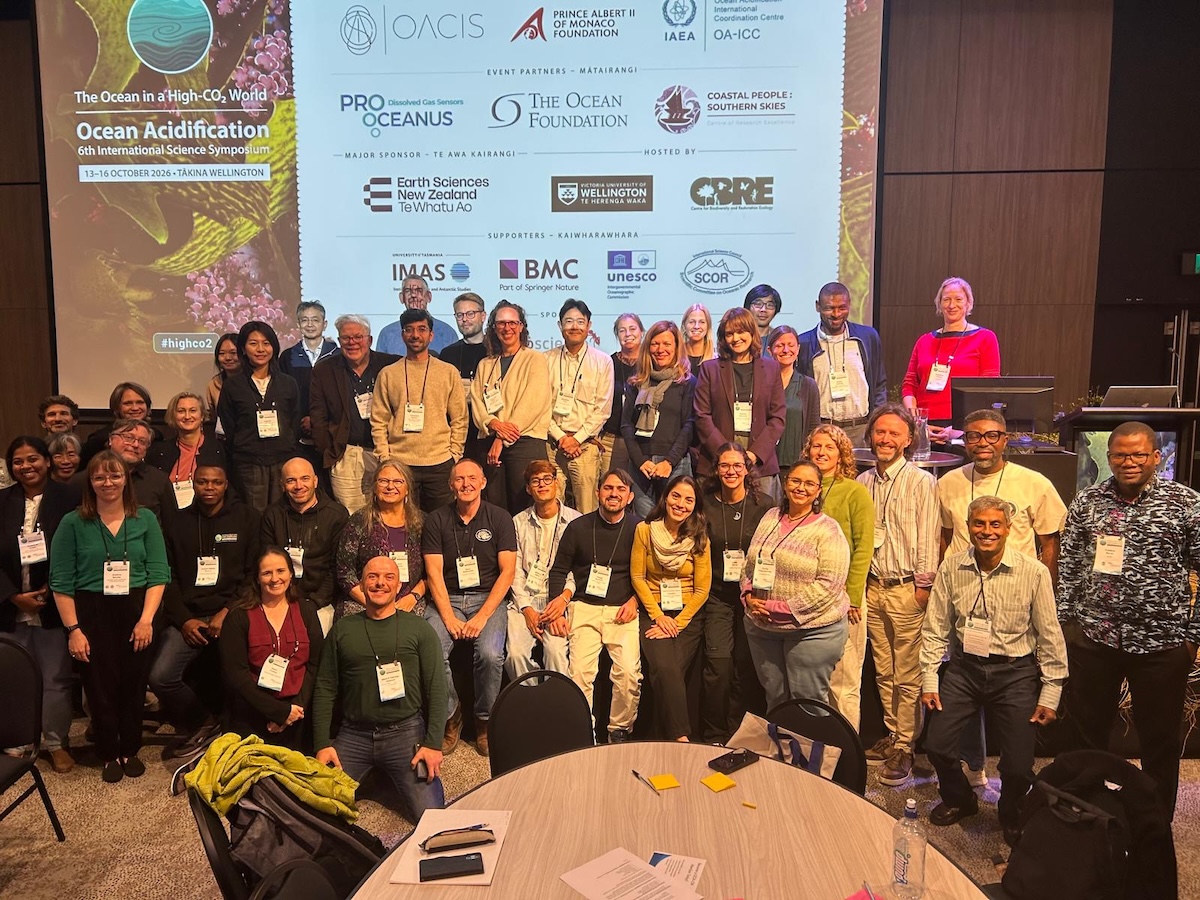
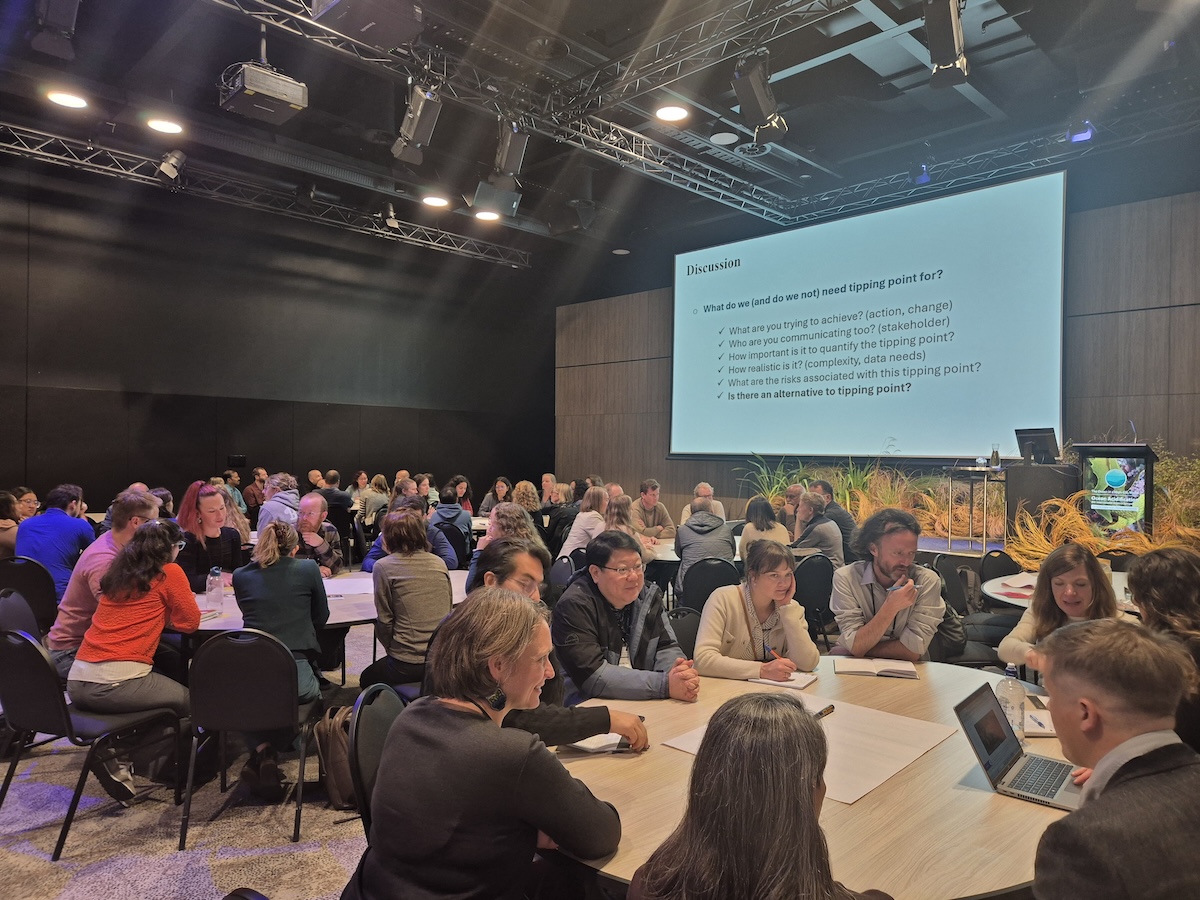
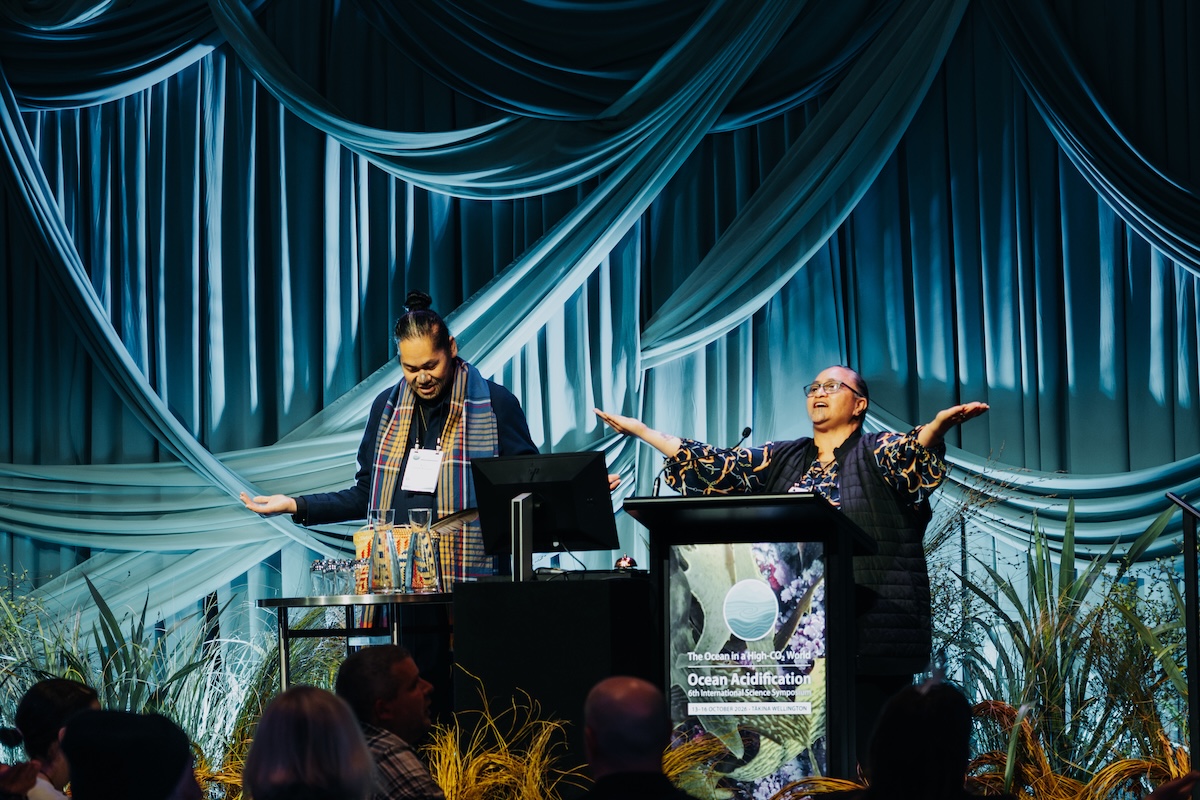
From 13 to 16 October 2026, nearly 350 researchers gathered in Wellington, New Zealand, for the 6th International Symposium on the Ocean in a High-CO₂ World. Supported by the Prince Albert II of Monaco Foundation through its OACIS initiative, the event brought together the international scientific community to advance research and cooperation on ocean acidification. HSH Prince Albert II of Monaco addressed participants in a video message, recalling Monaco's longstanding engagement on this issue.
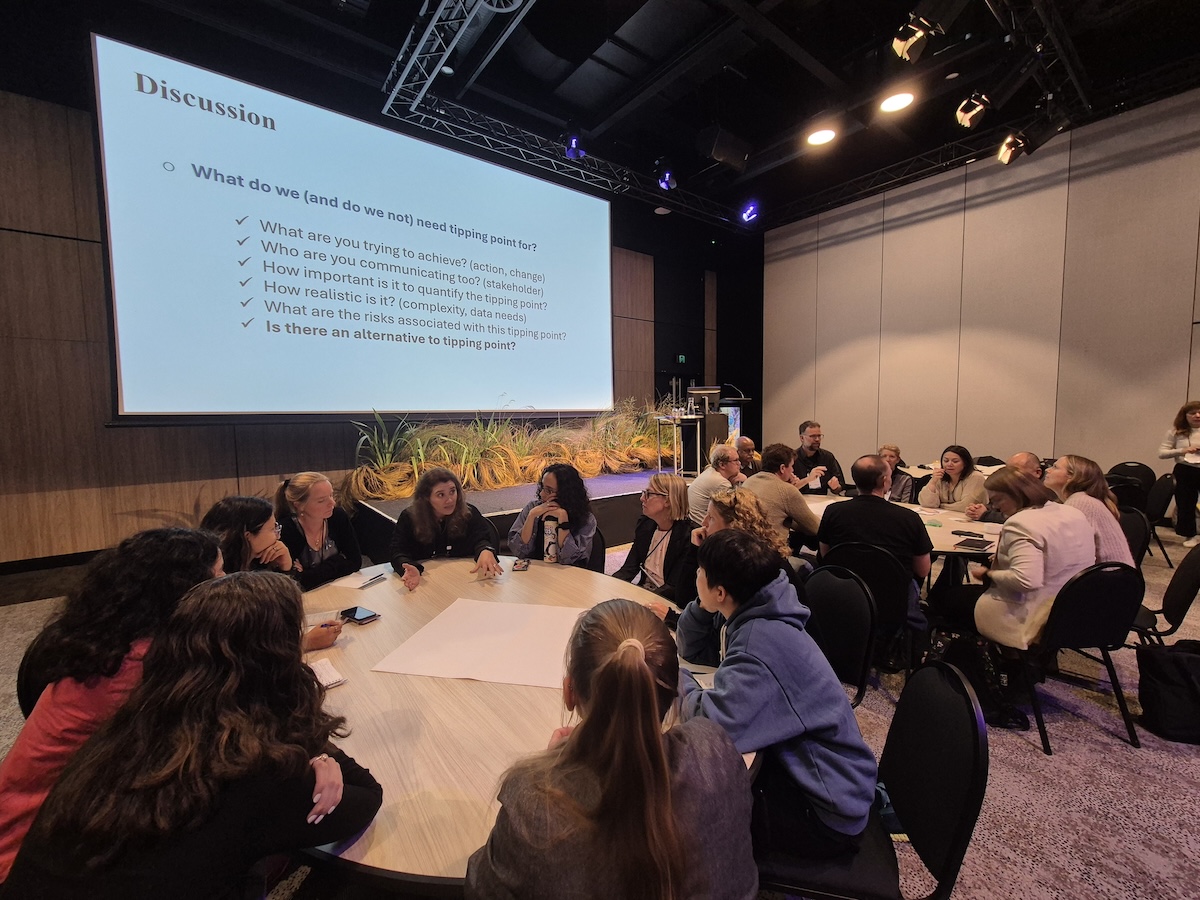
Held every four years, the Symposium is the world's largest scientific gathering dedicated to ocean acidification. Under the theme “Moving from Understanding to Action using Multiple Knowledge Systems”, this sixth edition focused on translating scientific knowledge into concrete responses to ocean acidification and related pressures, including ocean warming, deoxygenation and pollution.
A longstanding commitment to ocean acidification research
In his video address, HSH Prince Albert II of Monaco recalled the second edition of the Symposium, hosted in Monaco in 2008. That meeting led to the Monaco Declaration, signed by 155 scientists from 26 countries, which helped raise awareness among policymakers of the threats posed by ocean acidification.
Nearly two decades later, the Sovereign Prince highlighted the progress achieved in understanding how acidification interacts with other marine pressures, exploring innovative ocean-based solutions such as ocean alkalinity enhancement, and recognising the contribution of local and Indigenous knowledge to scientific research.
“This progress on three frontiers – increased understanding, innovation and inclusivity – provides a blueprint for how to ensure science has real influence on public policy and its findings are translated into action.”
HSH Prince Albert II of Monaco also reaffirmed the importance of addressing ocean acidification as a long-term threat to marine ecosystems and the future of humanity.
Watch HSH Prince Albert II of Monaco's video message
Advancing international cooperation through OACIS
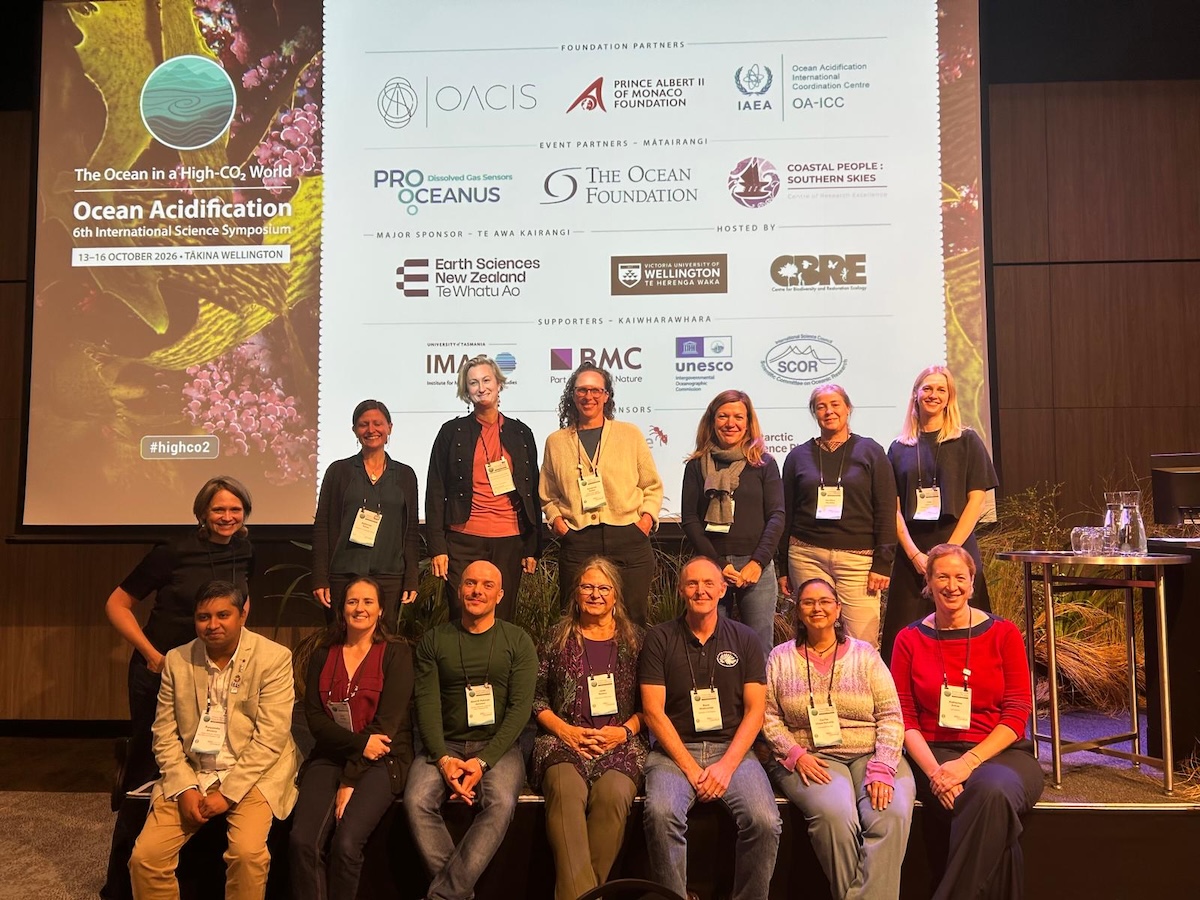
The Foundation supported the Symposium through its Ocean Acidification and other ocean Changes – Impacts and Solutions (OACIS) initiative, in cooperation with the International Atomic Energy Agency's Marine Environment Laboratories in Monaco and their Ocean Acidification International Coordination Centre (OA-ICC).
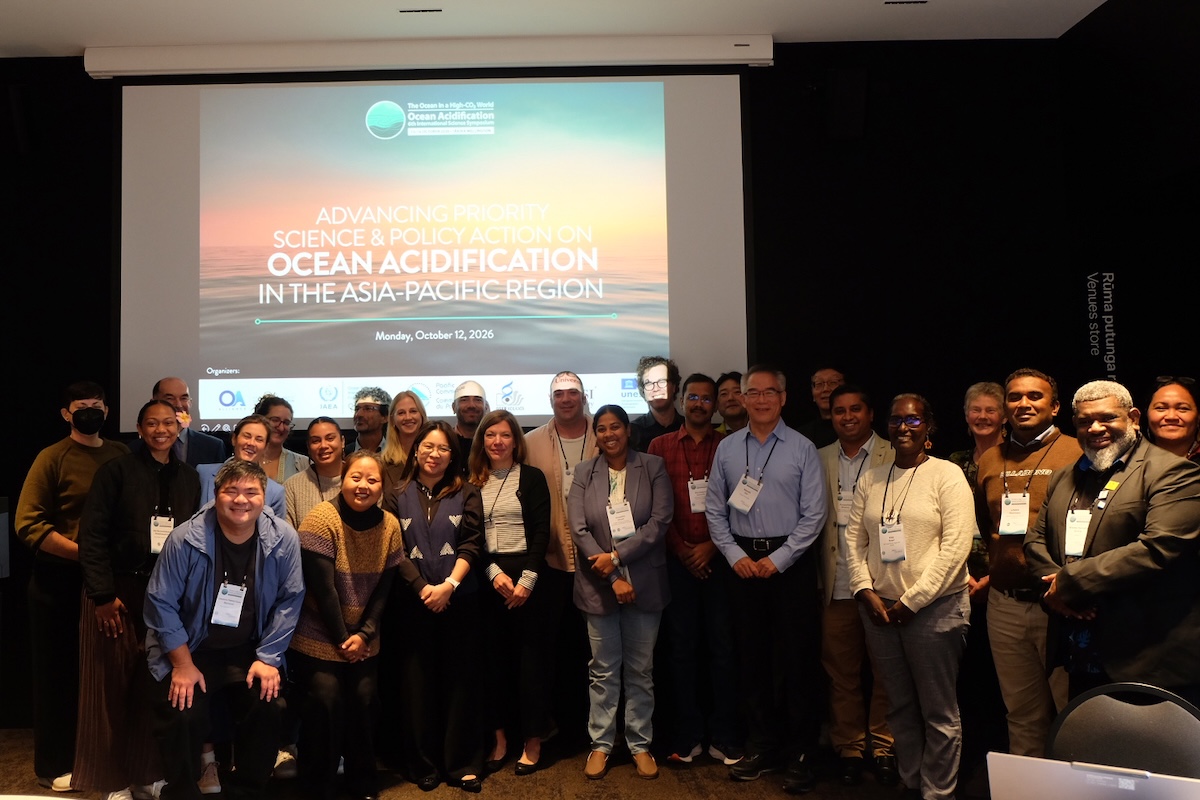
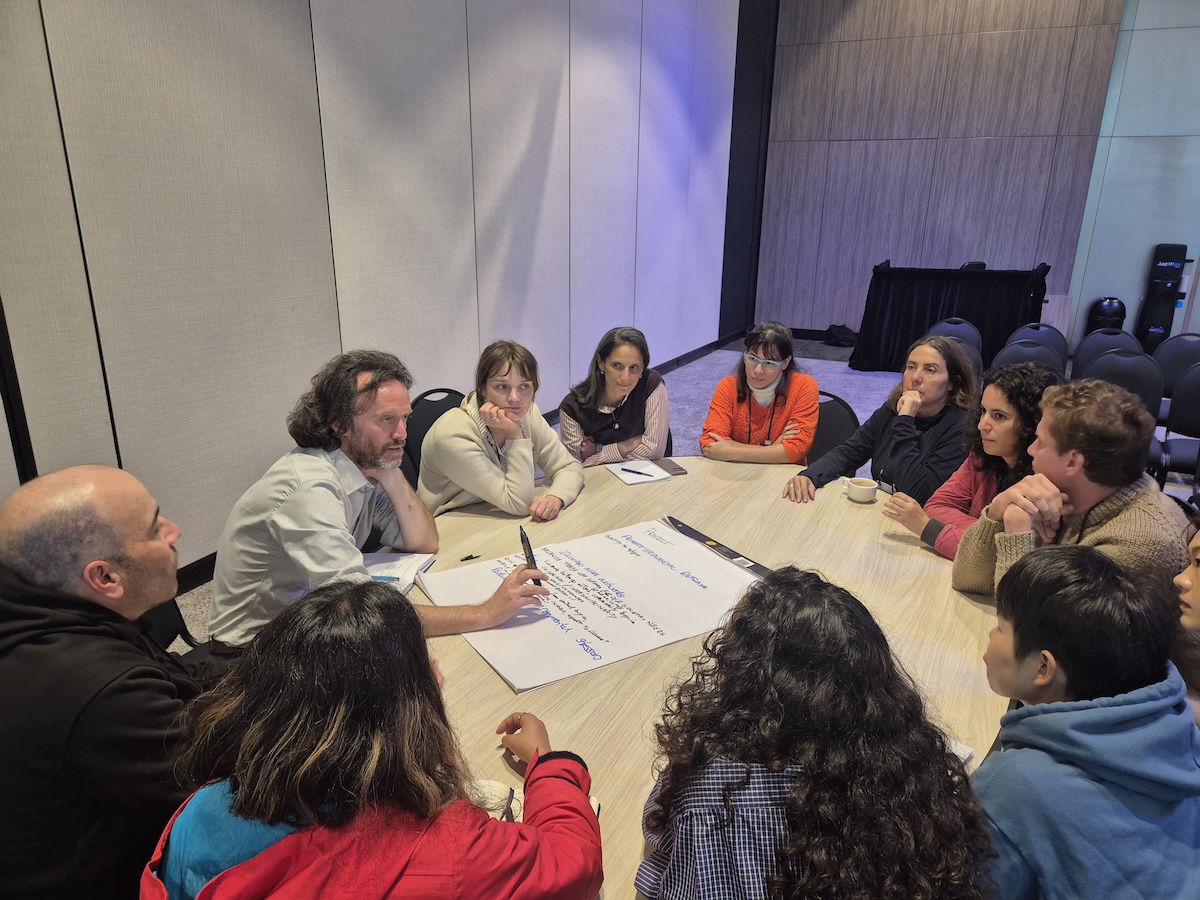
As members of the international organising committee, OACIS and the OA-ICC co-led several workshops addressing scientific and policy priorities in the Asia-Pacific region, international capacity-building efforts, and the future of the Global Ocean Acidification Observing Network (GOA-ON).
Discussions also introduced a new framework to assess options for addressing marine biodiversity loss linked to ocean acidification, in support of the Kunming-Montreal Global Biodiversity Framework.
Supporting the next generation of ocean scientists
The Symposium also offered an opportunity to strengthen the participation of early-career researchers in international scientific discussions.
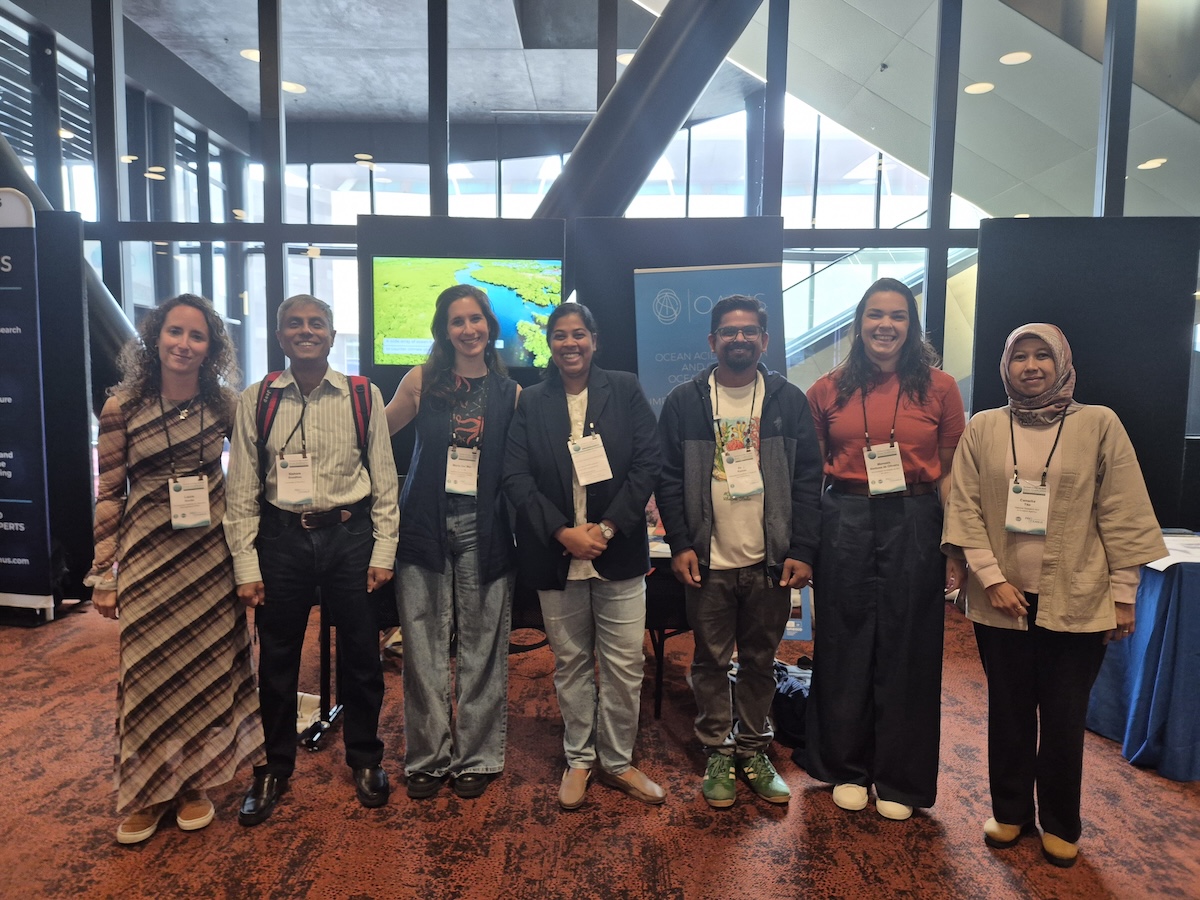
Eight early-career scientists from Argentina, Brazil, India, Indonesia, Mauritius, Mexico and Portugal received support to present their research and exchange knowledge with experts from around the world.
The plenary sessions were livestreamed, making the discussions accessible to a wider international audience.
Watch the Symposium's plenary sessions
The Foundation acknowledges the contributions of the host, the Victoria University of Wellington, as well as the Symposium's many partners, including IOC-UNESCO, the University of Washington, NOAA Ocean Acidification Program, the University of Gothenburg, the Laboratoire d'Océanographie de Villefranche (LOV), the Ocean Acidification Alliance, Ocean Acidification Research for Sustainability (OARS), the Global Ocean Acidification Observing Network (GOA-ON), and the Embassy of France in New Zealand.
Through OACIS
and its longstanding scientific partnerships, the Prince Albert II of Monaco
Foundation continues to support research, international cooperation and the
development of science-informed responses to the changes affecting our ocean.
Photos: ©Tākina Events and ©Lina Hansson