
Dates / Project duration
January 2025 - December 2027 / 3 years
Field of action :
Increase knowledge of biodiversity Conservation of endangered species
Branch : 
Monaco
Location :
Tanzania
Project sponsor(s) :
Southern Tanzania Elephant Program (STEP)
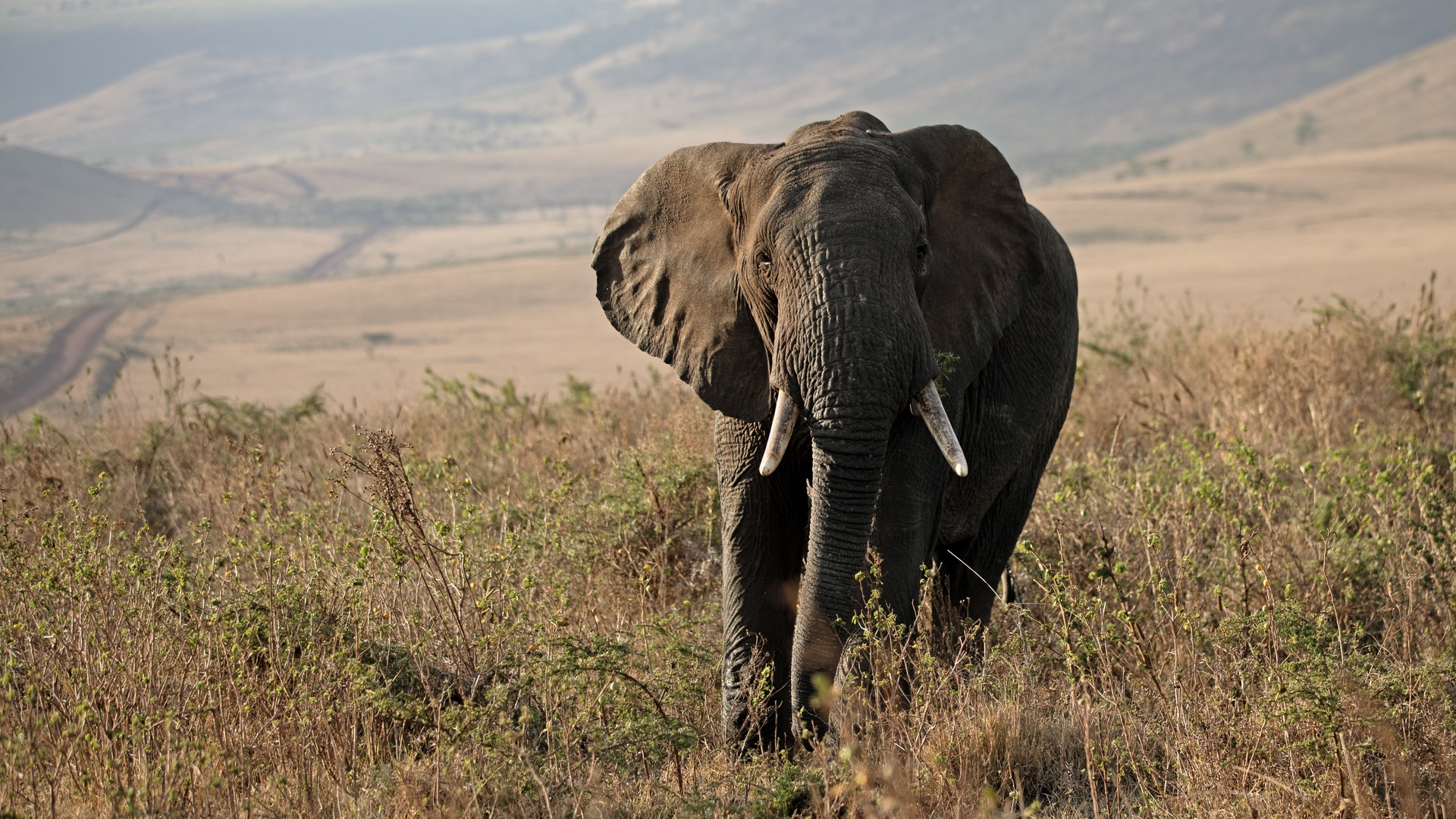
?The survival of Tanzania's elephants is seriously threatened by the illegal wildlife trade. Between 2009 and 2015, the elephant population fell from 109,000 to 50,000 individuals. This dramatic decline is mainly the result of poaching, driven by demand for ivory in consumer countries and exacerbated by complicity at the local level.
In protected areas, elephant conservation is undermined by tolerance of poaching within communities affected by human-elephant conflict. Elephants cause crop losses and destroy food reserves. They pose a threat to the well-being of the population and their livelihoods.
This project improves coexistence between humans and elephants and secures local livelihoods in the Ruaha-Rungwa region, one of the most vulnerable areas for elephants and people in Tanzania. It focuses on protecting local communities and reducing damage caused by elephants. This involves strengthening the capacity of forest rangers to respond to conflict-related incidents through training and equipment.
The project also aims to engage local communities in elephant conservation while diversifying livelihood strategies to improve household resilience. Awareness-raising activities are being implemented among farmers and in schools to involve local people and improve data collection on elephant movements and crop damage.
In protected areas, elephant conservation is undermined by tolerance of poaching within communities affected by human-elephant conflict. Elephants cause crop losses and destroy food reserves. They pose a threat to the well-being of the population and their livelihoods.
This project improves coexistence between humans and elephants and secures local livelihoods in the Ruaha-Rungwa region, one of the most vulnerable areas for elephants and people in Tanzania. It focuses on protecting local communities and reducing damage caused by elephants. This involves strengthening the capacity of forest rangers to respond to conflict-related incidents through training and equipment.
The project also aims to engage local communities in elephant conservation while diversifying livelihood strategies to improve household resilience. Awareness-raising activities are being implemented among farmers and in schools to involve local people and improve data collection on elephant movements and crop damage.